

How Can Fall Detection Devices Protect Seniors
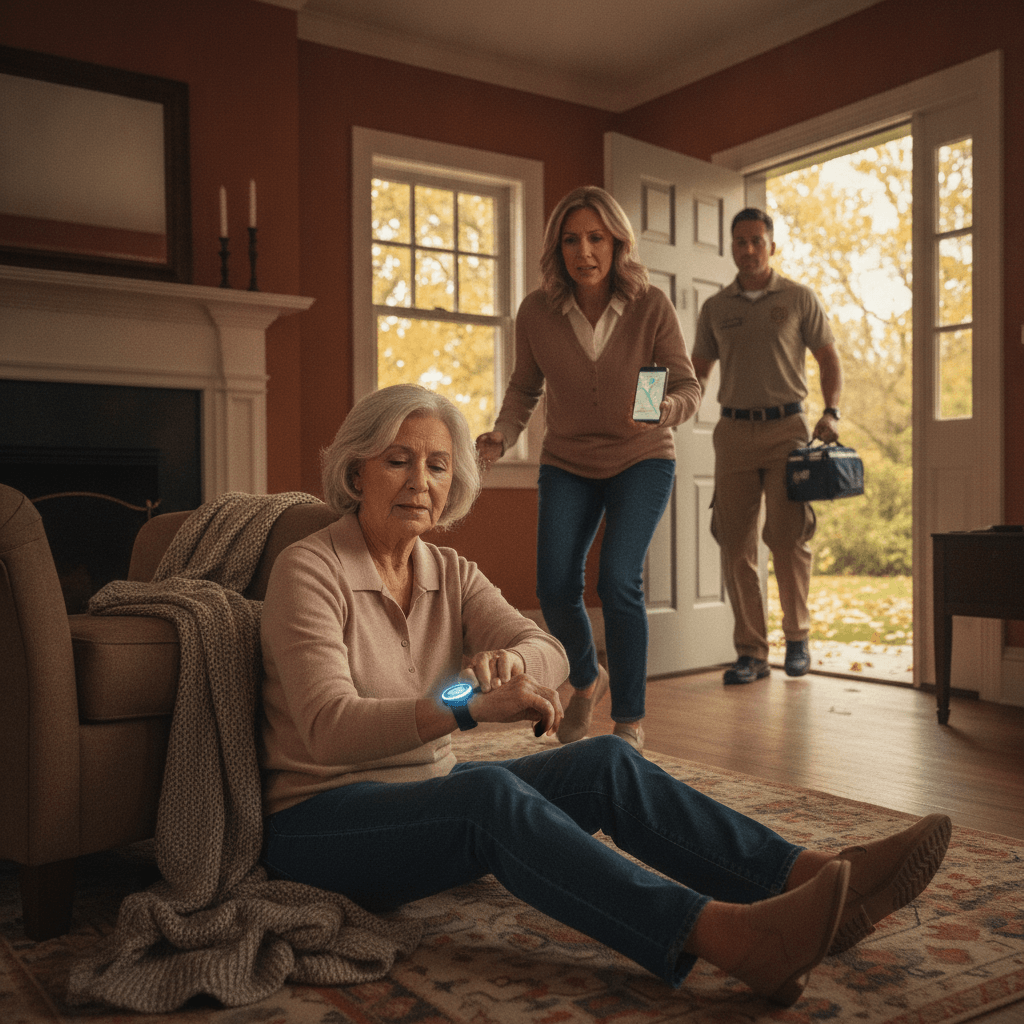
Caring for our senior loved ones means making sure they are safe and comfortable every day. One of the biggest worries many families share is the risk of falls. As we age, our bodies change and what was once a simple task can become a hazard. Falls can lead to serious injuries, a loss of independence, and even a fear of moving around.
I have seen firsthand how these concerns can weigh on both seniors and their families. We want to ensure that our elders can live with dignity and safety in their own homes for as long as possible. This goal often makes us look for tools that add an extra layer of protection.
This is where modern technology steps in to offer real solutions. Fall detection devices are becoming a vital part of senior care, offering timely help when it matters most. They are designed to keep seniors safer and provide much needed peace of mind for everyone involved.
Understanding the Risk of Falls for Older Adults
Falls are not just a minor inconvenience for seniors they are a serious health issue. Statistics show that one in four older adults falls each year. These falls can cause fractures head injuries and other serious problems. I believe understanding why falls happen is the first step toward preventing them.
Many factors contribute to falls in older adults. Some are physical changes that come with age. Others are external hazards in the home. Knowing these risks allows us to be more proactive in creating safer living spaces and daily routines.
We often think about slippery rugs or poorly lit hallways. But there are also less obvious risks. Poor vision side effects from medications and certain health conditions also play a big part. Addressing these different aspects is key to a complete fall prevention plan.
Physical Changes and Environmental Hazards
As we age, our balance can get worse. Our muscles might become weaker. Our eyesight and hearing may not be as sharp as they once were. These natural changes make it harder to react quickly when we lose our footing. I know that even a small bump can throw an elderly person off balance.
Beyond our bodies, the environment around us also presents many dangers. Loose throw rugs power cords clutter and uneven floor surfaces are common culprits. Bathrooms with wet floors and no grab bars are especially risky. Even a change in lighting from bright to dim can be a tripping hazard. We must carefully survey a senior’s living space for these hidden problems.
Stairs without handrails or steps that are not clearly marked are also dangerous. Outdoor areas can have cracked pavements or overgrown paths. These environmental factors combine with physical changes to increase the likelihood of a fall. It is important to look at both internal and external risks for effective prevention.
Medication Effects and Chronic Conditions
Many seniors take multiple medications daily. Some of these medicines can cause dizziness drowsiness or lower blood pressure. These side effects can directly lead to a fall. I always recommend reviewing all medications with a doctor to understand their potential impact on balance and alertness.
Chronic health conditions also play a significant role. Diseases like Parkinson’s arthritis or diabetes can affect mobility strength and sensation. Someone with nerve damage in their feet might not feel uneven surfaces. A person with arthritis might struggle to get up quickly after stumbling. These conditions make fall detection even more important.
Heart conditions or low blood pressure can cause lightheadedness when standing up too fast. This sudden change can easily cause a fall. Recognizing these medical contributions to fall risk helps us tailor prevention strategies. We work to support seniors in managing their health effectively.
How Can Fall Detection Devices Provide Immediate Assistance
Fall detection devices are a modern safety net. They are designed to sense when a person has fallen and then automatically call for help. This immediate response is what makes them so valuable especially when a senior lives alone or falls in an unsupervised area.
The core benefit is speed. When a fall occurs, every second counts. Getting help quickly can prevent further injury reduce recovery time and even save lives. These devices bridge the gap between a fall happening and emergency services arriving.
I have heard countless stories where these devices made a real difference. They do not just detect falls they connect people to help. This connection is crucial for seniors who might be unable to call out or reach a phone after a fall. They offer a silent but powerful layer of protection.
Automatic Detection Systems
Many fall detection devices use advanced sensors and algorithms to identify a fall. These systems can tell the difference between a sudden drop and simply sitting down quickly. Accelerometers and gyroscopes are common components in these technologies.
When a fall is detected, the device sends an alert. This alert can go to a monitoring center family members or emergency contacts. Some devices even initiate two-way communication allowing the fallen individual to speak directly with an operator. This automatic feature is especially helpful if someone is disoriented or injured and cannot press a button.
I find these systems incredibly reassuring. They work in the background providing continuous monitoring without being intrusive. Seniors can go about their day knowing that if they do fall, help will be on the way without them needing to do anything manually.
Manual Alert Options
While automatic detection is powerful, many devices also include a manual alert button. This feature gives seniors control and allows them to call for help even if a fall has not occurred. They can use it if they feel unwell need assistance or simply want to check in.
Often, this button is located on a pendant worn around the neck or on a wristband. It is easy to reach and activate. I always emphasize the importance of wearing these devices consistently. They only work if they are on the person.
This manual option adds another layer of security. It addresses situations where a senior might feel weak or dizzy but has not yet fallen. They can proactively call for help before a crisis develops. This dual approach of automatic and manual alerts makes these devices very versatile.
Enhancing Independence and Peace of Mind
One of the greatest fears for seniors is losing their independence. Fall detection devices help them maintain their freedom and continue living life on their own terms. Knowing that help is available reduces anxiety about everyday activities.
For families, these devices bring immense peace of mind. We cannot be with our loved ones every moment of every day. But knowing a system is in place to alert us in an emergency is incredibly comforting. It eases the constant worry that often comes with caring for an aging parent.
I believe these tools empower seniors. They encourage them to stay active and engaged without the paralyzing fear of a fall. This mental shift can lead to a happier and healthier lifestyle for them.
Maintaining an Active Lifestyle
Fear of falling can make seniors withdraw from activities they once enjoyed. They might avoid walking outdoors using stairs or even moving around their own homes. This reduction in activity can lead to muscle weakness and further increase fall risk.
Fall detection devices can help break this cycle of fear. With the security of knowing help is just an alert away seniors feel more confident. They might be more willing to go for a walk participate in hobbies or simply move more freely in their living space. I think this confidence is vital for their overall well-being.
Staying active is not just good for physical health it also benefits mental health. It prevents isolation and keeps seniors connected to their communities and families. These devices support a lifestyle that prioritizes movement and engagement.
Reducing Family Worry
For family caregivers the worry about a parent falling can be constant. Every unanswered call or unexpected silence can trigger concern. This emotional burden can be heavy and exhausting for many people.
Fall detection devices offer a practical solution to this worry. Knowing that an automatic alert will be sent if a fall occurs allows family members to relax more. They can trust the technology to provide a safety net when they cannot be there in person.
I have seen families feel a huge sense of relief after installing these devices. It does not replace personal care but it augments it effectively. It allows families to maintain their own routines knowing their loved one is protected.
Different Types of Fall Detection Devices
The market offers a variety of fall detection devices each with its own features and benefits. Choosing the right one depends on the senior’s lifestyle specific needs and the family’s preferences. It is not a one-size-fits-all solution.
I always suggest looking at both wearable options and ambient systems. Each type has distinct advantages and may suit different living situations better. Understanding these differences helps in making an informed decision.
Some devices are very discreet and simple. Others offer more advanced features like GPS tracking or multiple sensor types. It is important to consider how the device integrates into daily life for maximum effectiveness.
Wearable Devices
Wearable fall detection devices are the most common type. They usually come as pendants worn around the neck or wristbands. These devices are designed to be lightweight comfortable and easy to wear all the time.
Many wearable devices include both automatic fall detection and a manual help button. They connect wirelessly to a base unit in the home or use cellular technology to send alerts. Some models are waterproof which is important for use in the shower or bath where falls are common.
I often advise seniors to choose a wearable that they will consistently wear. The most advanced technology is useless if it is left on a nightstand. Comfort and ease of use are key for compliance.
At-Home Sensor Systems
At-home sensor systems are a less intrusive option for fall detection. These systems use motion sensors pressure mats or radar technology placed around the home. They monitor movement patterns and detect falls without the senior needing to wear anything.
These systems can be particularly beneficial for seniors who resist wearing a device. They offer continuous monitoring in key areas of the home like bathrooms or bedrooms. Some advanced systems can even learn a person’s normal movements and flag unusual activity.
I see these systems as a good choice for those who value discretion. They provide a layer of protection without being constantly attached to the individual. This can be a more comfortable solution for some seniors.
Key Features to Look for in a Fall Detection System
When selecting a fall detection device several features stand out as essential. These features ensure the device is reliable effective and truly beneficial for the senior. I always guide families to prioritize these aspects during their search.
Things like battery life and water resistance are practical considerations that impact daily use. Communication capabilities and monitoring services are also very important for a timely response. We want a device that works when it is most needed.
Considering how the device will be integrated into the senior’s daily routine is also vital. Ease of use and comfort often determine how consistently a device will be utilized. A thorough review of these features helps in picking the best option.
Battery Life and Water Resistance
A device’s battery life is a crucial factor. Long battery life means fewer charges and less chance of the device being unpowered during an emergency. I recommend looking for devices that offer at least several days of battery life or have easy charging solutions.
Water resistance is also incredibly important. Many falls occur in bathrooms or near water sources. A waterproof device ensures that it can still function if the senior falls in the shower or bath. This feature adds a critical layer of safety.
I tell families to imagine the worst-case scenario. If a senior falls in a wet environment the device must continue to work. Making sure the device is truly water resistant gives everyone greater confidence in its protective capabilities.
GPS Tracking and Two-Way Communication
For active seniors who spend time outside the home GPS tracking is a game changer. This feature allows emergency responders or family members to locate the individual accurately. It extends the safety net beyond the home.
Two-way communication is another incredibly useful feature. It enables the senior to speak directly with the monitoring center or emergency contacts through the device itself. This can be vital for assessing the situation and providing reassurance.
I find that these communication tools humanize the response. They ensure that help is tailored to the specific needs of the individual. They offer comfort during a stressful time.
Integrating Devices for a Safer Home Environment
A fall detection device is a powerful tool but it works best as part of a larger safety strategy. We need to look at the entire home environment to minimize fall risks. This integrated approach creates the most secure setting for seniors.
Simple changes around the house can make a huge difference in preventing falls. I encourage families to involve the senior in these discussions. It makes them feel more in control and invested in their own safety.
Creating a safe home involves both physical adjustments and smart habits. When done right, it makes the senior’s living space not just safer but also more comfortable and functional. This helps them maintain their preferred lifestyle for longer.
In addition to fall detection devices, there are many ways to make a home safer. For more detailed information on the broader advantages of these technologies, you can view details here.
Home Modifications
Modifying the home environment is a practical way to prevent falls. This can involve simple fixes like removing tripping hazards such as loose rugs or clutter. Ensuring good lighting in all areas especially hallways and staircases is also very important.
More significant modifications might include installing grab bars in bathrooms and near toilets. Adding non-slip mats in showers and tubs reduces slipping risks. I suggest securing all loose cords and making sure furniture is stable and easy to navigate around.
Even small changes like raising toilet seats or adding a sturdy shower chair can greatly improve safety. These modifications can be done gradually and tailored to the senior’s specific needs and preferences. They create a safer, more accessible living space.
Regular Device Checks
Just like any safety equipment fall detection devices require regular checks. I advise families to test the device periodically to ensure it is working correctly. This includes checking battery levels and verifying that alerts are being sent and received by the monitoring service.
Regular maintenance ensures the device remains reliable. It also familiarizes the senior with its operation which is important in an emergency. We want them to feel confident that their device will work when they need it most.
These checks also provide an opportunity to discuss any concerns the senior might have. It is a chance to reinforce the importance of wearing the device and to address any discomfort or questions. Consistent checks are a small effort for a big safety payoff.
The Emotional Impact of Fall Prevention
Beyond the physical safety fall detection devices have a profound emotional impact. They significantly reduce the anxiety associated with aging and the risk of falls. This emotional well-being is just as important as physical health.
Seniors who feel protected are more likely to stay engaged and independent. The fear of falling can isolate them. Having a reliable safety system can help them overcome this fear. I see this often in the enhanced confidence they show.
For family members, the emotional relief is immense. Knowing that an immediate alert will go out if a fall occurs allows them to worry less. This peace of mind strengthens family bonds and reduces stress for caregivers.
Conclusion: A Safer Future for Our Seniors
Protecting our seniors from falls is a multi-faceted challenge that requires thoughtful solutions. Fall detection devices stand out as a cornerstone of modern elder care. They offer more than just technology they provide a critical link to immediate help a renewed sense of independence and invaluable peace of mind for both seniors and their families.
I have observed how these innovations are truly transforming how we approach senior safety. They empower older adults to live more freely and confidently in their own homes. The ability to detect falls automatically or with a simple button press ensures that help is always within reach no matter the situation. This immediate response can drastically alter the outcome of a fall incident.
We believe that every senior deserves to live safely and without constant fear. By understanding the risks adopting practical home modifications and integrating reliable fall detection devices we create a comprehensive safety net. Let us commit to exploring these options and implementing the best solutions for the seniors in our lives. Their safety and well-being are paramount and modern technology provides powerful tools to support this goal.
 Microdermabrasion Acne Treatment
  Basic Facts About Gynecomastia
  Best Price – Quality Power Washers
  Beware Of Real Estate Deals in Singapore With Nothing Down
  MPLS VPN – Increase Your Organization’s Security
  Healthy Drink Choices
  How Can Fall Detection Devices Protect Seniors
  PBN Service Provider for Scaling Fast